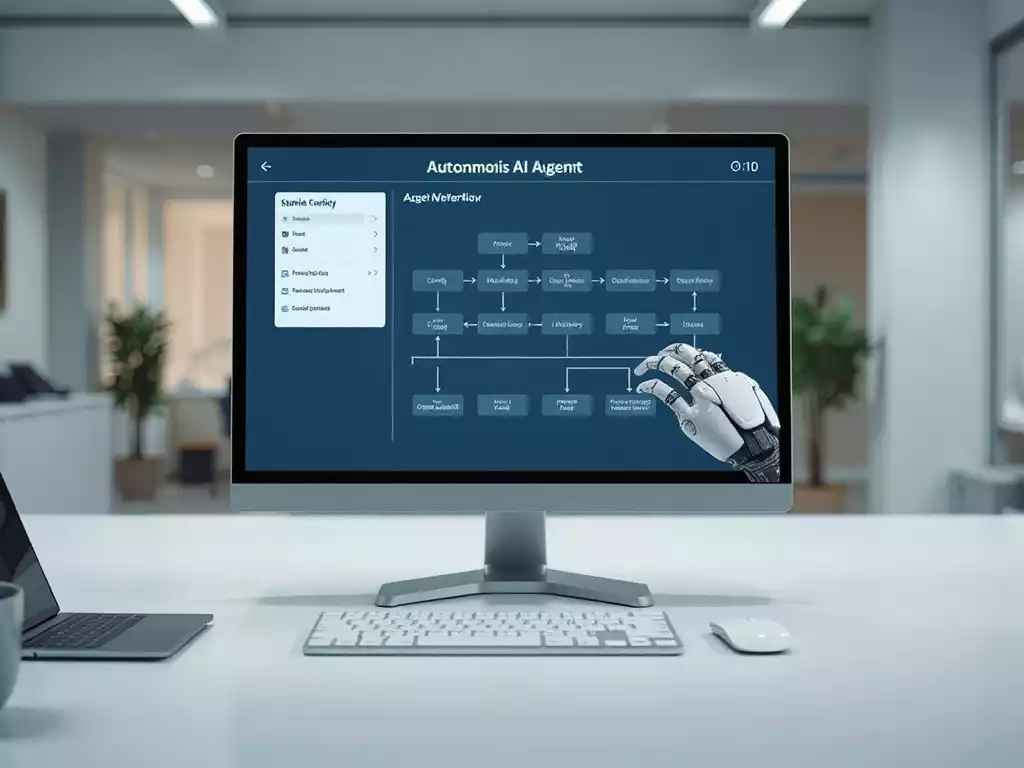

What if the future of business operations lies in the hands of AI? As companies increasingly turn to technology, understanding Autonomous AI Agent Workflows can be a game-changer for enhancing efficiency and innovation.
What You Will Learn
- Autonomous AI Agent Workflows enable automated decision-making with minimal human oversight.
- Core components include data inputs, decision-making algorithms, and execution mechanisms for smooth operations.
- Machine learning and predictive analytics significantly enhance the decision-making process in these workflows.
- Regular evaluation of ROI and performance metrics is essential to measure the effectiveness of AI workflows.
- Addressing ethical risks and security concerns is critical to maintaining trust and integrity in AI systems.
Autonomous AI Agent Workflow: Core Components and Impact
This visual outlines the essential building blocks of Autonomous AI Agent Workflows and key metrics for evaluating their impact, highlighting the interconnectedness of data, decision-making, and execution.
Core Components of Agentic Workflows
Collects information
Analyzes data, determines action
Implements decisions
Impact Evaluation Metrics
- Cost Savings (ROI)
- Increased Efficiency & Reduced Time
- Enhanced Customer Satisfaction
- Reduction in Error Rates
Ethical & Security Concerns
- Data Breaches & Privacy
- Bias in AI Decision-Making
- Accountability Issues
Predictive Analytics Applications
Customer needs & behaviors
Operational issues
User interactions
/* Responsive adjustments for smaller screens */
@media (max-width: 768px) {
#custom-visual-container article,
#custom-visual-container section {
flex-basis: 100% !important;
max-width: 100% !important;
}
#custom-visual-container .core-component {
flex: 1 1 100%;
}
}
#custom-visual-container article:hover,
#custom-visual-container section:hover {
transform: translateY(-5px);
}
Understanding Autonomous AI Agent Workflows
In today’s fast-paced digital landscape, Autonomous AI Agent Workflows are becoming increasingly essential for businesses looking to streamline operations and enhance productivity. These workflows leverage artificial intelligence to automate complex processes, allowing organizations to focus on strategic decision-making and innovation. By understanding what these workflows entail, companies can harness the full potential of AI technology.
At its core, an autonomous AI agent workflow is designed to operate independently, making decisions based on data inputs without continuous human intervention. This capability is crucial for tasks that require quick responses and high efficiency. For a deeper dive into the broader implications of AI in business, the MIT Sloan Review offers valuable insights into the emerging agentic enterprise.
Defining Autonomous AI Agent Workflows: What Are They?
So, what exactly are Autonomous AI Agent Workflows? Simply put, they are sequences of tasks carried out by AI agents that can autonomously make decisions and take actions based on the information they gather. These workflows can range from simple automation processes to complex systems that adapt and learn over time. For a fundamental understanding of how these agents are designed, an introduction to autonomous agents by NVIDIA provides excellent foundational knowledge.
- Automated decision-making processes that require minimal human oversight
- Systems capable of adapting based on new data inputs
- Efficient workflows that improve operational speed and accuracy

As more businesses recognize the benefits of these innovative systems, the demand for effective implementation continues to grow. By investing in autonomous workflows, companies can dramatically enhance their operational capabilities.
The Core Components of Agentic Workflows
Understanding the core components of Autonomous AI Agent Workflows is vital for successful implementation. These components typically include data inputs, decision-making algorithms, and execution mechanisms. Each part plays a significant role in ensuring that the workflow operates smoothly and efficiently.
- Data Input: Collects information from various sources to inform decisions.
- Decision-Making Algorithms: Analyzes data and determines the best course of action.
- Execution Mechanisms: Implements decisions automatically in real-time.
By ensuring that each component is robust and well-integrated, businesses can create autonomous workflows that are not only effective but also scalable.
The Role of Artificial Intelligence in Autonomous Workflows
Artificial intelligence plays a pivotal role in shaping the functionality of Autonomous AI Agent Workflows. It enables these systems to learn from data, adapt to new scenarios, and make informed decisions without human intervention. The integration of AI fosters an environment where workflows can evolve and improve continuously. Recent research, such as “The Rise of the Autonomous AI Agents: A Comprehensive Survey” on arXiv, highlights the rapid advancements and potential of these systems.
- Machine learning enhances the decision-making process by identifying patterns and trends.
- Natural language processing allows agents to understand and respond to human queries effectively.
- Predictive analytics helps forecast outcomes, aiding in proactive decision-making.
As I work with businesses to implement these AI-driven workflows, I’ve seen firsthand how the right AI tools can transform operations, leading to greater efficiency and innovation.
Pro Tip
To maximize the effectiveness of your Autonomous AI Agent Workflows, consider integrating real-time feedback mechanisms. This allows the AI agents to learn from their actions and continually improve their decision-making processes. By fostering a learning environment, you can ensure that your workflows adapt to changing business needs and enhance overall productivity.
Frequently Asked Questions About Autonomous AI Agent Workflows
What are Autonomous AI Agent Workflows?
Autonomous AI Agent Workflows are automated sequences of tasks performed by AI agents that can make decisions and take actions independently, based on data inputs and without continuous human intervention. They streamline operations and enhance efficiency.
What are the core components of these workflows?
The core components include Data Input (collects information), Decision-Making Algorithms (analyzes data and determines actions), and Execution Mechanisms (implements decisions automatically).
How does AI enhance autonomous workflows?
AI, through machine learning, natural language processing, and predictive analytics, enables these systems to learn from data, adapt to new scenarios, understand human queries, and make proactive, informed decisions, fostering continuous improvement.
How can the effectiveness of AI workflows be evaluated?
Effectiveness can be evaluated through key metrics such as cost savings (ROI), increased efficiency and reduced operational time, enhanced customer satisfaction ratings, and a reduction in error rates.
What are the main ethical and security concerns associated with AI workflows?
Primary concerns include data breaches and privacy issues, potential bias in AI decision-making processes, and accountability issues when AI agents make errors. Mitigating these requires comprehensive strategies and regular protocol reviews.
Evaluating the Impact of Autonomous AI Agent Workflows
When it comes to assessing the effectiveness of Autonomous AI Agent Workflows, we need to focus on a few key metrics that can truly showcase their value. By measuring the return on investment (ROI) and overall effectiveness, organizations can determine how well these workflows are performing. This evaluation not only highlights successes but also pinpoints areas for improvement.
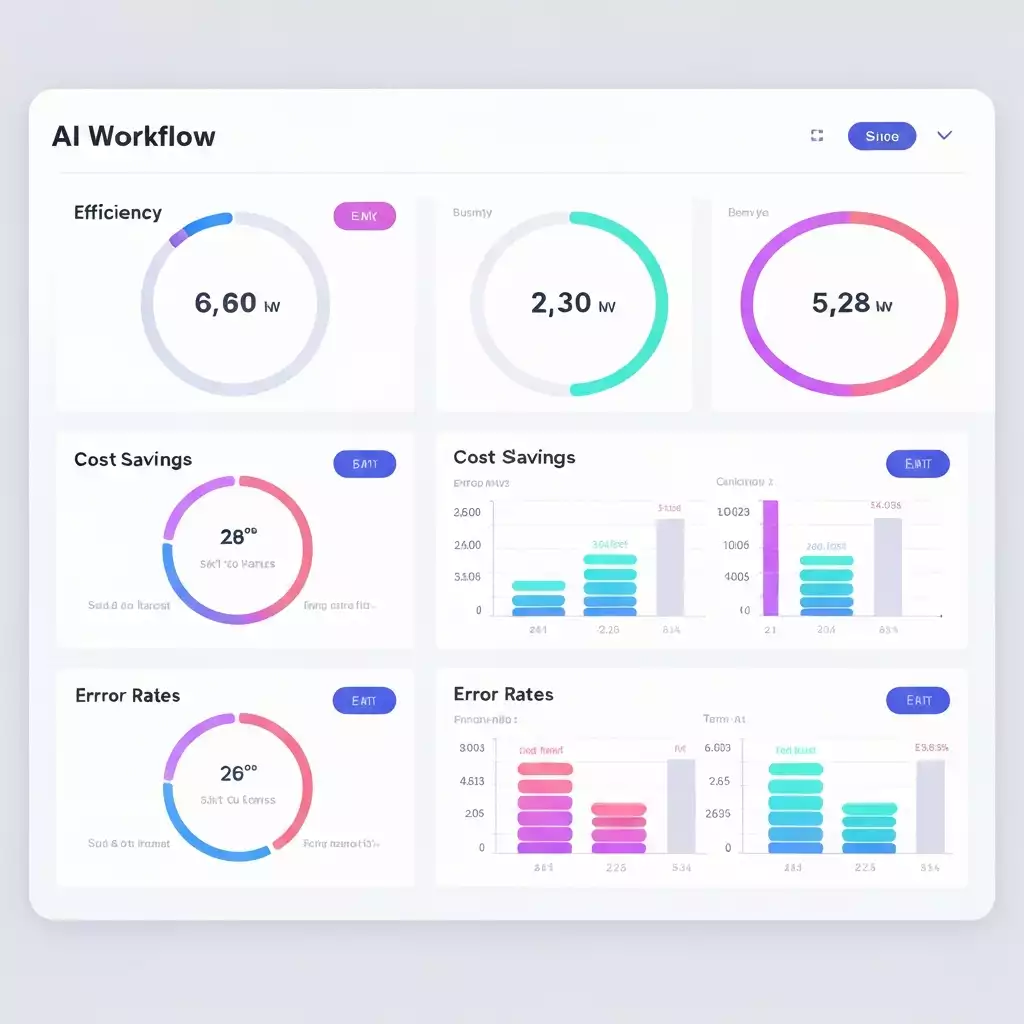
Some of the most common metrics we look at include:
- Cost savings achieved through automation
- Increased efficiency and reduced operational time
- Enhanced customer satisfaction ratings
- Reduction in error rates and rework
By tracking these metrics, businesses can get a clearer picture of how their Autonomous AI workflows are impacting their bottom line. This data plays a critical role in guiding future decisions and investments.
Identifying Ethical Risks and Security Concerns in AI Workflows
As we dive deeper into the world of Autonomous AI, it’s crucial to address the ethical risks and security concerns that come with it. Working with AI agents means handling large amounts of data, which raises questions about privacy and security. How can we ensure that our workflows remain ethical and secure?
Some potential risks include:
- Data breaches compromising sensitive information
- Bias in AI decision-making processes
- Accountability issues when AI agents make mistakes
It’s essential for companies to have a comprehensive strategy in place to mitigate these risks. Regularly reviewing and updating security protocols can help safeguard against data breaches and unethical practices.
Utilizing Predictive Analytics for Performance Metrics in Workflows
Another powerful aspect of evaluating Autonomous AI workflows is the use of predictive analytics. This technique allows businesses to forecast future performance based on historical data. By leveraging these insights, companies can make more informed decisions about their workflows.
Some common applications of predictive analytics include:
- Anticipating customer needs and behaviors
- Forecasting operational bottlenecks before they occur
- Identifying trends in user interactions with AI agents
Incorporating predictive analytics into your evaluation process can lead to significant improvements in strategy and implementation. This proactive approach helps ensure that your Autonomous AI workflows remain efficient and effective over time.
Recap of Key Points
Here is a quick recap of the important points discussed in the article:
- Autonomous AI Agent Workflows automate complex processes, enhancing operational efficiency and decision-making.
- Key components include data inputs, decision-making algorithms, and execution mechanisms.
- AI technologies like machine learning and predictive analytics improve the adaptability and effectiveness of workflows.
- Evaluating performance through metrics like cost savings and customer satisfaction is vital for assessing ROI.
- Addressing ethical risks and security concerns is crucial in implementing AI workflows responsibly.